
Benefits of Bajra / Pearl Millet
Are you looking for a super grain that's not only bursting with essential nutrition but also steeped in centuries of culinary tradition? If yes, it is Bajra. Let us dive deeper into its health benefits!
What is Bajra (Pearl Millet)?
Pearl millet (Pennisetum glaucum), also known as 'Bajra', 'Bajri', 'Sajje', 'Kambu', 'Kamban' in different Indian languages, is a highly nutritious grain that has been cherished for its nutritional value and culinary importance.
It is adaptable to different growing conditions, including drought, low soil fertility, low moisture, and high temperature. It offers numerous health benefits due to its nutritional composition.[1]
Let us discuss the various health benefits of bajra.
Bajra is packed with nutrients
Bajra has a wealth of nutrients, including calcium, dietary fiber, polyphenols, and protein, making it a top pick for anyone seeking a wholesome addition to their diet. It is superior in calories, protein, vitamins, essential amino acids, and minerals to large cereals. Also, it is gluten-free, making it a good option for individuals with celiac disease.[2]
Nutritional composition of Pearl Millet (per 100g)
| Nutrient | Amount |
|---|---|
| Protein | 11.6–11.8 g |
| Fat | 4.8–5.0 g |
| Minerals | 2.2–2.3 g |
| Dietary Fiber | 11.3 g |
| Carbohydrates | 67–67.5 g |
| Phosphorus | 296 mg |
| Potassium | 307 mg |
| Magnesium | 137 mg |
| Calcium | 42 mg |
| Sodium | 10.9 mg |
| Zinc | 3.1 mg |
| Iron | 8.0 mg |
| Manganese | 1.15 mg |
| Copper | 1.06 mg |
Bajra may help in combating diabetes mellitus
Bajra is enriched with phenolic compounds renowned for their anti-diabetic properties. It maintains blood sugar levels due to its low glycemic index, ensuring sustained energy. Further, it increases insulin sensitivity. This makes bajra an excellent choice for diabetics seeking to manage their blood sugar effectively.[3][4]
Bajra may decrease the risk of cancer
Bajra has attracted attention for its promising role in both preventing and managing cancer. It is abundant in magnesium, antioxidants, and phytate compounds that hold the potential to reduce the risk of cancer.
A recent study proposed that an encapsulated polyphenolic extract from bajra has anti-breast cancer activity. Future studies will determine the anticancer properties of bajra.[5]
Bajra may reduce the risk of cardiovascular conditions
Bajra is packed with lignans and phytonutrients that are abundant sources of powerful antioxidants and shields against cardiovascular diseases. Its magnesium content aids in regulating blood pressure and supporting muscle and nerve function.
Also, a diet rich in Bajra may lead to reductions in total cholesterol, low-density lipoprotein (LDL), and triglyceride levels. Additionally, it may elevate high-density lipoprotein cholesterol (HDL-C), which may help in managing the risk of hypertension and cardiovascular diseases.[6][7]
Bajra may support healthy hair, skin, and nails
Bajra is abundant in vital nutrients including protein, vitamin B6, niacin, folate, iron, and zinc, that contribute to hair, skin, and nail health. So, the regular consumption of bajra may aid in decreasing nail brittleness and hair breakage.[8]
Bajra may boost energy levels
Bajra is characterized by its notable content of magnesium, iron, phosphorus, and B vitamins that contribute significantly to boosting energy levels and promoting sustained physical activity. It also enhances overall energy metabolism within the body.
Also, bajra may be beneficial for athletic individuals, as it supplies consistent energy over an extended period.[9]
Bajra may lower cholesterol and fat absorption rate
The consumption of Bajra has been linked to the regulation of cholesterol levels. It contains phytic acid that may possess cholesterol-modifying properties, in addition to a substantial fiber content.
Also, it may affect cholesterol metabolism and promote a balanced cholesterol profile within the body. So, the consistent inclusion of bajra in the diet may lower the risk of hyperlipidemia.[10]
Bajra may help in managing weight
Bajra has a high fiber content and takes longer for the grain to travel from the stomach to the intestine, which may contribute to prolonged satiety. Thereby, it promotes a sense of fullness, limiting excessive food intake and aiding in weight management.
Also, it assists in reducing triglyceride and LDL cholesterol levels, playing a role in managing weight. It has phytic acid that may help in cholesterol metabolism.[11][12]
Bajra may help in bone health
Bajra is rich in phosphorus and calcium that is vital for supporting bone growth and development. Also, its polyphenol content may aid in preventing, managing, and treating bone-related issues, including osteoporosis.[13]
Bajra may help treat stomach ulcers
Stomach ulcers are characterized by excess acidity in the stomach causing pain. Bajra helps in alkalizing the stomach and prevents stomach ulcers or decreases the effect of ulcers. It may contribute to a balanced stomach environment.[14]
Bajra may help reduce the risk of childhood asthma
Research has indicated that a high intake of whole grain products in children aged 8–13 years may help protect against asthma. More studies are required to determine if there is potential for bajra to contribute to reducing the risk of childhood asthma.[15]
How to incorporate Bajra into the diet?
Now that we have thrown light on the different benefits of Bajra, let us explore some simple ways it can be incorporated into your diet for your nutritional well-being.
Bajra is commonly used to make bhakri flatbread. It adds depth and flavor to a range of dishes from comforting upma to salads and soups. It can also be transformed into cakes and savory pasta.
Bajra's versatility extends to snack time too. It can be used to create fluffy dhoklas and crispy tikkis making it a great choice for healthy snacking.
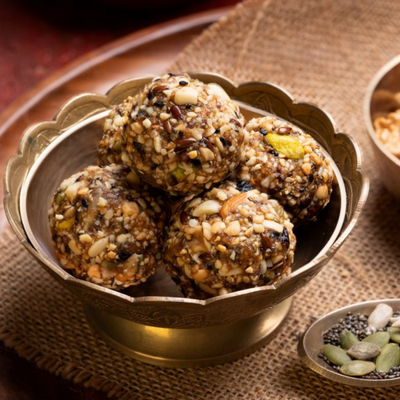
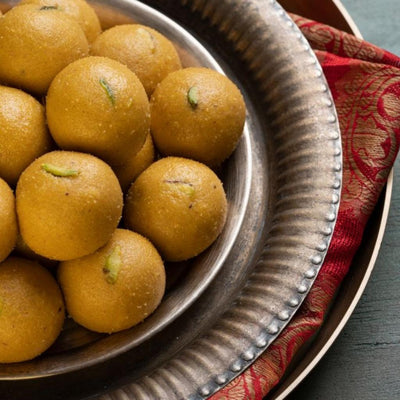
Another recipe that can easily incorporate Bajra for its delightful taste and nutritional benefits is Bajra laddu. It can be enjoyed as a daily snack, post-meal dessert, or as a gift during festivals to your health-conscious friend as it balances both health and indulgence.
Bajra laddus can be made at home with simple ingredients. However, if you can't make them yourself and are looking for a healthier homemade option, then you can conveniently buy our Humble Flavors nutritious bajra laddus online.
About Humble Flavors Bajra Millet Laddus
Our bajra laddus are homemade and packed with a perfect blend of health benefits and flavor. They are gluten-free which makes them ideal for individuals with allergies or gluten sensitivities. They are crafted with pure desi cow ghee and a mild flavor of cardamom.
Our laddus are packed with raisins, white til, and nuts, including almonds, walnuts, and cashews for adding extra crunch and flavor. They are mildly sweetened using organic jaggery that adds a natural flavor that sets them apart from sweets made with refined sugar.
Our Bajra laddus are a Wholesome Nutrient-Rich Delight for your sweet tooth!
Summary
Bajra is a powerhouse packed with healthy nutrients that may contribute to different health benefits. Our Humble Flavors Bajra laddus are a perfect option for a healthy nutritious snack.
If you have any questions about our laddus or bajra millets, feel free to leave a comment below. I will be happy to respond promptly.
And if you enjoy our Bajra laddus, please share them with your friends and family!
References
- https://en.wikipedia.org/wiki/Pearl_millet
- https://pubmed.ncbi.nlm.nih.gov/29803440/
- https://pubmed.ncbi.nlm.nih.gov/35889889/
- https://pubmed.ncbi.nlm.nih.gov/1812099/
- https://pubmed.ncbi.nlm.nih.gov/38730703/
- https://www.ncbi.nlm.nih.gov/pmc/articles/PMC8416111/
- https://www.webmd.com/diet/health-benefits-Bajra
- https://www.ncbi.nlm.nih.gov/pmc/articles/PMC8005370/
- https://www.ncbi.nlm.nih.gov/pmc/articles/PMC9322144/
- https://www.webmd.com/diet/health-benefits-Bajra
- https://www.ncbi.nlm.nih.gov/pmc/articles/PMC10560538/
- https://www.researchgate.net/publication/350423144_Nutritional_properties_and_plausible_benefits_of_Pearl_millet_Pennisetum_glaucum_on_bone_metabolism_and_osteoimmunology_a_mini-review
- https://www.ncbi.nlm.nih.gov/pmc/articles/PMC9322144/
- https://pubmed.ncbi.nlm.nih.gov/16244092/